
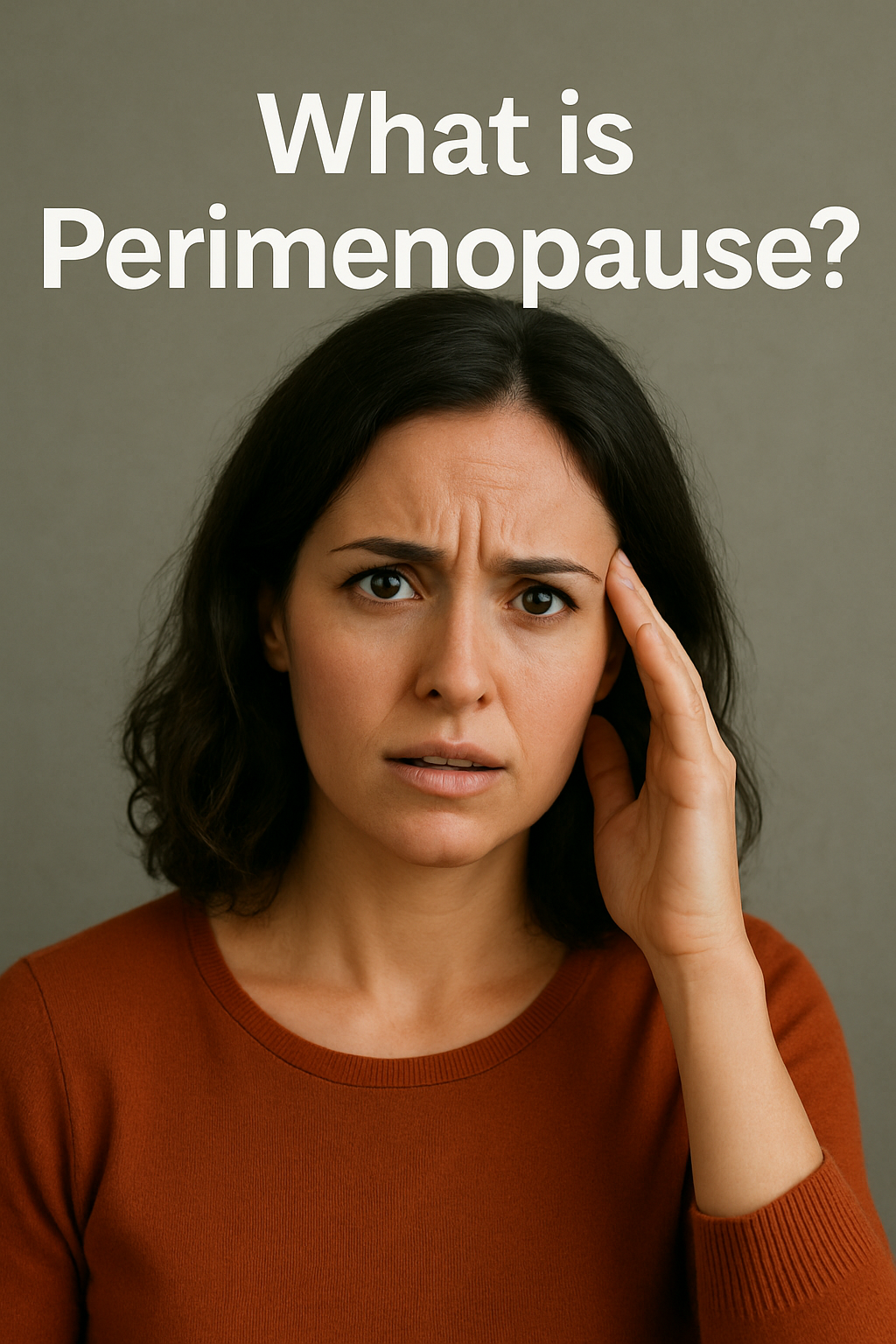
Perimenopause, which literally translates to “around menopause,” is a natural and inevitable stage in every woman’s life. Far from being an illness, it is the period of biological transition that marks the end of the reproductive years and precedes the definitive cessation of menstruation.
Understanding this phase is crucial so that women can manage their symptoms, take preventive measures, and maintain a high quality of life during this change.
What is perimenopause and how long does it last?

Perimenopause begins when a woman’s ovaries start producing hormones in a fluctuating and irregular manner, leading to the first appearance of symptoms.
Onset: It can start as early as the late 30s or early 40s, though the average age varies.
Duration: The process typically lasts between 2 and 8 years, although in some women, it can extend up to 10 years.
End of the Stage: This transition ends when the woman reaches menopause, which is defined as the point when she has gone 12 consecutive months without a menstrual period.
The main cause: The hormonal dance
The trigger for perimenopause is the decrease and erratic fluctuation of estrogen and progesterone levels.
These hormones, crucial for ovulation and fertility, begin to be sent in unpredictable amounts, causing the body to react with a wide range of symptoms. Progesterone, which helps regulate sleep and mood, is often one of the first to decline.
Common symptoms of perimenopause

Symptoms vary greatly in intensity and type, but the most frequent ones include:
Changes in Menstrual Pattern: This is the first sign. Periods may become irregular (shorter or longer), bleeding may be heavier or lighter, and cycles may be skipped.
Hot Flashes and Night Sweats: Sudden sensations of intense heat, especially in the upper body and face. Hot flashes that occur at night can interrupt sleep.
Sleep Disturbances (Insomnia): Difficulty falling or staying asleep, often exacerbated by night sweats or anxiety.
Emotional Changes: Irritability, mood swings, increased anxiety, or sadness. Hormonal fluctuations directly impact the brain’s chemical balance.
Urogenital Symptoms: Vaginal dryness, which can cause pain during intercourse (dyspareunia), and increased urinary frequency or infections.
Other Symptoms: Decreased sex drive (libido), fatigue, headaches, difficulty concentrating (brain fog), and joint stiffness.
7 Essential recommendations for dealing with perimenopause

Adopting a healthy lifestyle not only alleviates short-term symptoms but also protects long-term health (especially against osteoporosis and cardiovascular diseases, whose risks increase in postmenopause).
Prioritize an Anti-inflammatory and Calcium-Rich Diet:
Eat a balanced diet, rich in fruits, vegetables, fiber, and whole grains.
Ensure adequate intake of Calcium and Vitamin D to protect bones.
Include Omega-3s (fatty fish, walnuts) and, if recommended by your doctor, phytoestrogens (like soy).
Incorporate Regular Strength Training:
Combine aerobic exercise (walking, swimming, dancing) for cardiovascular health with strength training (weights, bands). Strength training is vital to counteract the loss of muscle mass and maintain bone density.
Optimize Sleep Hygiene:
Maintain a consistent sleep schedule.
Make your bedroom a sanctuary: cool, dark, and quiet. Avoid screens (phones, tablets) at least an hour before bedtime. Identify and limit hot flash triggers:
Pay attention to what causes your hot flashes. Alcohol, caffeine, and very spicy or hot foods are often triggers. Reducing their consumption can help significantly.
Dress in layers of clothing that can be easily removed.
Practice Stress Reduction Techniques (Mindfulness):
Chronic stress can worsen symptoms. Incorporate daily practices like meditation, yoga, or slow, deep breathing to promote relaxation and emotional well-being.
Care for Vaginal and Intimate Health:
To combat vaginal dryness, use over-the-counter water-based lubricants or vaginal moisturizers.
Maintaining sexual activity helps increase blood flow to the pelvic area, keeping tissues healthier.Consult a Healthcare Professional:
Perimenopause should not be suffered in silence. Talk to your gynecologist about your symptoms. A doctor can rule out other conditions, advise on supplements, or discuss treatments like Hormone Replacement Therapy (HRT) or non-hormonal options if your symptoms are severe and affect your quality of life.
Perimenopause is a stage of transformation. By adopting a proactive approach and seeking medical support when necessary, it is possible to navigate this change with health, energy, and well-being.
And what do you think?
Write to us contacto@elnoticiario.com.co
WhatsApp (+57) 3053085051
Jljl55phlogin – time to get logged in and play! Hopefully the wins today are good ones. Keeping my fingers crossed for a good session!. jljl55phlogin